Cockroach Control
Explore Our Services

Let's Get Started
- Mon - Sat: 8:00 AM - 5:00 PM
- Parada St, Punta Gorda, FL 33982
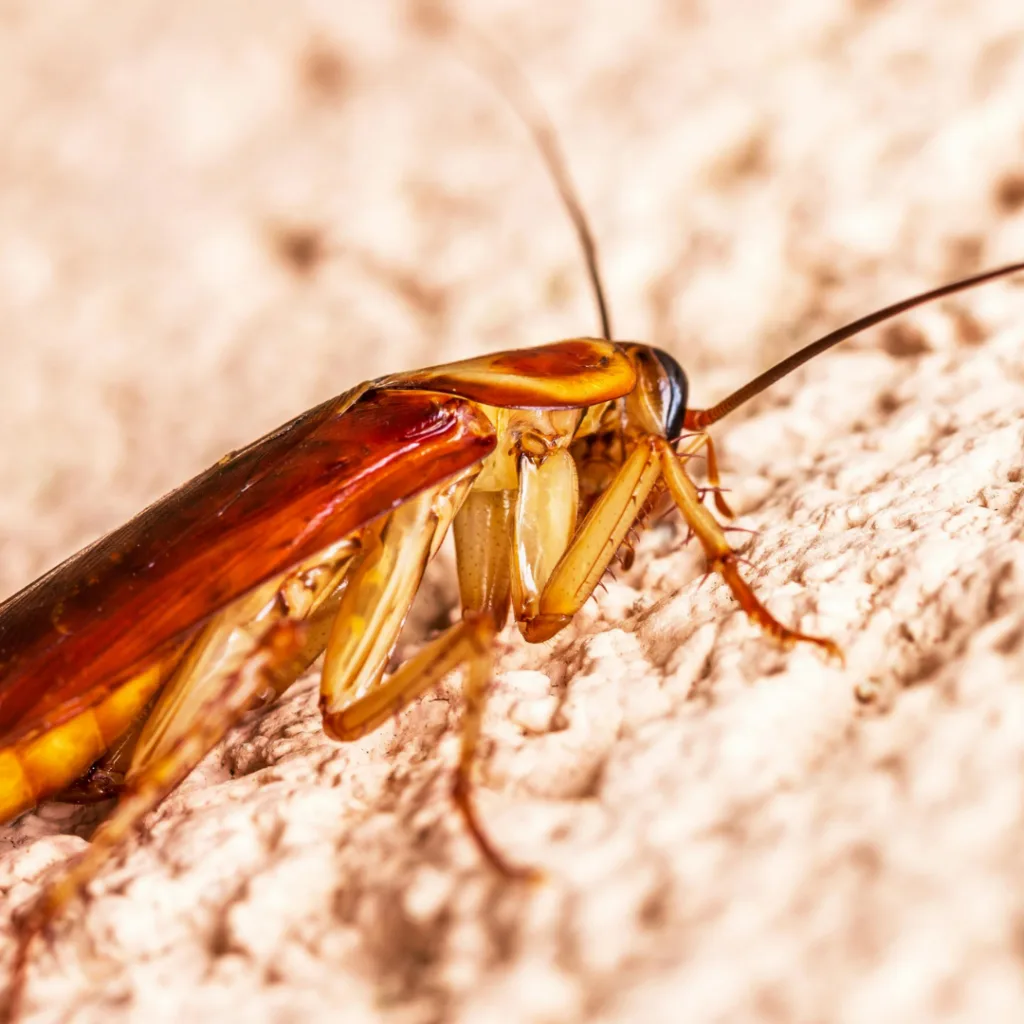
There are two completely different cockroach problems in Southwest Florida and most people call them the same thing. One walks in from outside and is mostly a nuisance. The other breeds inside your kitchen and is a genuine health issue. They need opposite treatments, and using the wrong one is why so many roach problems never quite go away.
Bug Off Pest identifies which one you have before treating anything. Every job starts with a free inspection, and you get the findings and the price before we begin.
Palmetto bugs and German roaches are two different problems
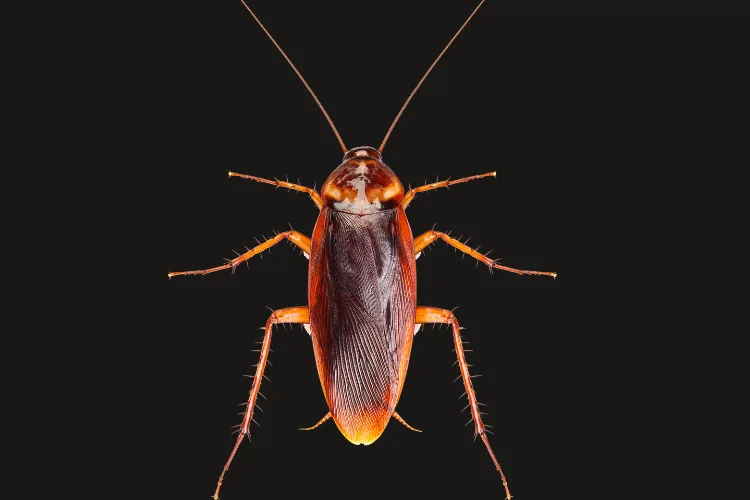
Palmetto bugs is what most Floridians call the large reddish-brown roaches that turn up in garages, lanais and bathrooms, usually one at a time. These are American and smokybrown cockroaches, and they live outdoors. Mulch beds, palm fronds, tree holes, drains, sewer lines and attics are where they actually live. They come inside through weep holes, drain lines, soffit gaps, garage door seals and gaps around plumbing, particularly during heavy rain or drought when conditions push them out of their normal harborage.
Because the population lives outside, the solution is exclusion and exterior treatment. Killing the one in your bathroom achieves nothing about the several hundred in the mulch bed.
German cockroaches are a different animal entirely. They are small, about half an inch, with two dark stripes behind the head, and they do not live outdoors in Florida. They live in your kitchen and bathroom, behind appliances, inside cabinet voids and under sinks, and they reproduce faster than any other pest roach. They arrive in grocery bags, cardboard boxes, second-hand appliances and moving boxes, not through the front door.
German roaches also matter for health rather than just comfort. Their droppings and shed skins are a recognised indoor allergen associated with asthma symptoms, particularly in children.
There is a third one worth knowing about. Asian cockroaches look nearly identical to German roaches but live outdoors in lawn thatch and fly toward lights at dusk. They are common here and frequently misidentified, which sends people down an indoor baiting programme for an outdoor problem.
Signs you have a cockroach problem
Roaches when the lights come on
Seeing them scatter when you switch on a kitchen light at night usually means a resident population rather than a stray, since roaches only forage in the open when numbers are high.
Droppings
German roaches leave fine specks resembling ground black pepper along cabinet edges, in drawer corners and behind appliances. Larger outdoor roaches leave darker cylindrical droppings with ridged sides.
Egg cases
Small brown capsules about the size of a rice grain, tucked into cabinet corners, behind the fridge, under the sink or inside appliance housings. Finding these means breeding on site.
A musty smell
Established German roach populations produce a distinctly musty odour in the affected area. If you can smell it, the infestation is well developed.
Our cockroach control process
Inspection & Identification
A licensed technician determines the species and locates the harborage. For outdoor roaches that means the exterior perimeter, mulch beds, drain lines, soffits and entry points. For German roaches it means kitchen and bathroom voids, appliance housings and plumbing penetrations. The species dictates everything that follows.
Targeted Treatment
Outdoor roaches get exterior perimeter treatment plus exclusion work sealing the gaps they are using. German roaches get a gel bait programme placed into the voids where they actually harbour, along with growth regulators to break the breeding cycle. We do not use foggers, for reasons covered in the FAQ below.
Follow-Up & Prevention
German roach work always needs follow-up, because eggs surviving the first pass hatch afterward. We return to inspect, re-bait where needed, and identify the moisture and food conditions supporting the population. On recurring plans, exterior treatment continues so outdoor roaches stay outdoors.
Why choose Bug Off Pest for cockroach control
We identify the species before we treat, we seal entry points rather than only spraying the perimeter, and we bait German roaches properly instead of doing something that looks decisive and makes it worse. Our technicians are FDACS-licensed and fully insured, and baits are placed where children and pets cannot reach them.
- Species identified before treatment
- Exclusion work, not just perimeter spraying
- Baits placed out of reach of children and pets
Frequently asked questions
What is the difference between a palmetto bug and a cockroach?
A palmetto bug is a cockroach. The term is what Floridians use for the large outdoor species, mainly American and smokybrown cockroaches. It matters because those live outside and need exterior treatment and exclusion, while German cockroaches live indoors and need interior baiting. Same family, opposite solutions.
Why should I not use a fogger or bug bomb?
Because with German cockroaches it scatters them. The repellent action drives roaches out of the treated voids and deeper into wall cavities and adjoining rooms, so a kitchen problem becomes a whole-house problem. Foggers also deposit product where roaches are not and almost nowhere they actually harbour.
Do cockroaches mean my house is dirty?
Not necessarily. Palmetto bugs come in from outside regardless of how clean the house is, and Florida’s climate means every home here gets them occasionally. German roaches arrive in grocery bags, cardboard and second-hand items, so they show up in immaculate homes too. Sanitation affects how fast they multiply once present, not whether they arrive.
Are cockroach treatments safe around children and pets?
Yes, applied correctly. Gel baits are placed inside cabinet voids, behind appliances and in cracks where children and pets cannot reach, and exterior applications are safe once dry. Your technician will explain the re-entry window before leaving.
How do German roaches get in if they cannot live outside?
They are carried in. Grocery bags, cardboard boxes, used appliances, second-hand furniture and moving boxes are the usual routes, and a single female with an egg case is enough to establish a population. This is also why a neighbouring unit in a condo or duplex can be the actual source.