Barn & Stable Fly Control
Explore Our Services
Let's Get Started
- Mon - Sat: 8:00 AM - 5:00 PM
- Parada St, Punta Gorda, FL 33982
Flies in a barn are not a comfort issue. Stable flies draw blood, and animals under sustained fly pressure stamp, bunch, refuse to graze and lose condition. On a cattle operation that shows up in weight gain and milk yield. On a horse property it shows up in behaviour, in skin condition, and in what your boarders think of the place.
The other thing worth saying plainly: most barn fly problems are not solved by spraying. They are solved by finding what is breeding them, which on nearly every property we assess turns out to be somewhere the owner had not counted. Bug Off Pest works barns, stables and livestock operations across DeSoto, Charlotte, Sarasota and eastern Lee counties, and we start with the source.
Know which fly you have
Stable flies are the ones biting. Both sexes feed on blood and they go for the legs and lower body, which is why you see stamping, leg-lifting and animals bunching together nose to tail. They are roughly house fly sized with a distinctive bayonet-like mouthpart, and they land, bite, and leave rather than lingering.
Critically, stable flies do not feed on sugar. That single fact defeats a great deal of what gets bought at the feed store, because scatter baits and jug traps designed for house flies do essentially nothing to the flies actually biting your animals. If you have been baiting all season and the biting has not changed, this is why.
House flies do not bite but they carry pathogens, feeding around eyes, wounds and udders. They are the main vector concern for pinkeye and they contribute to mastitis pressure in dairy operations.
Horn flies stay on cattle almost continuously, feeding many times a day, and they breed in fresh manure pats out on pasture. They are one of the more economically significant pests in beef production.
Horse flies and deer flies breed in wet marsh and low ground rather than around the barn. They are painful, they are difficult to control chemically, and trapping is usually the realistic tool.
Where barn flies actually breed
Stable flies and house flies need wet, decaying organic matter. Dry manure is not a breeding site. Wet manure mixed with bedding, feed or hay is.
Round bale feeding sites
Soiled bedding and stall waste
Spilled and spoiled feed
Wet ground around waterers and drainage

How we control barn and stable flies
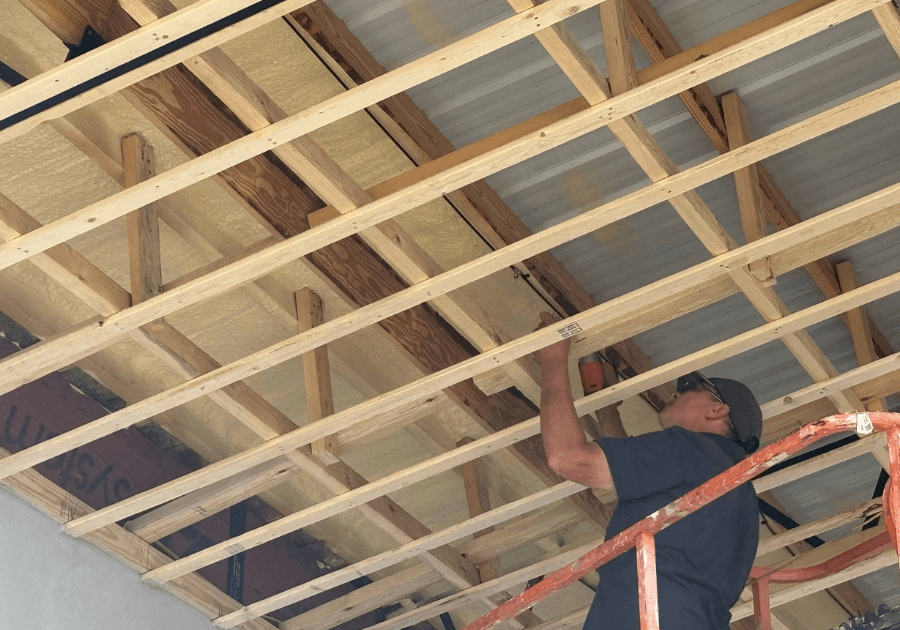
Site Assessment & Source Identification
Source Control & Treatment
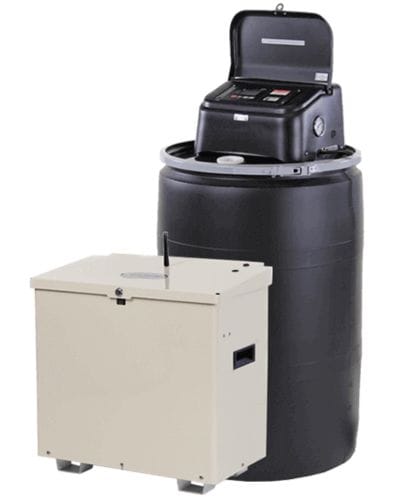
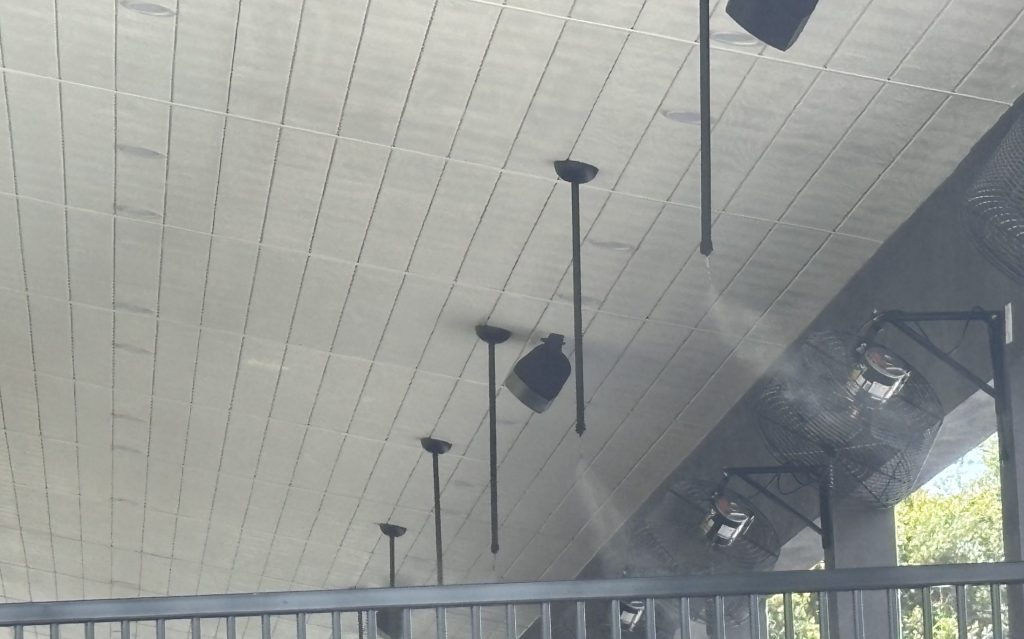
Misting System Installation
Why Florida barn and livestock owners choose Bug Off Pest
Agricultural work is core to what we do, not something we take on occasionally. We identify the species before recommending anything, we find the breeding source rather than treating around it, and we install and service misting systems rather than referring that out. We are FDACS-licensed and fully insured, and every product is selected with animals, feed and water sources in mind.
- Species identified and breeding sources located
- Misting systems sized, installed and serviced
- Products selected for use around horses and livestock
Frequently asked questions
Why are fly baits not working on the flies biting my horses?
Because the flies biting your horses are almost certainly stable flies, and stable flies feed on blood rather than sugar. Scatter baits and jug traps are formulated for house flies and stable flies simply ignore them. Control comes from source reduction, residual treatment on resting surfaces, misting and traps designed for biting flies.
We clean stalls every day and still have flies. Why?
Because the breeding source is usually not the stall. On most properties we assess it turns out to be the round bale feeding site, the damp base of the muck heap, spoiled feed under a bunk, or wet ground around a leaking waterer. Immaculate stalls and a heavy fly load almost always means the source is outside the barn.
Are misting systems safe around horses and livestock?
Yes, when correctly specified and installed. We use products labelled for use around animals, set the cycles appropriately, and position nozzles for coverage rather than saturation. Dairy operations have additional requirements around milking areas and we account for those at the assessment.
How does misting system installation work?
We assess the barn layout, size the system for the run and the number of nozzles required, install the reservoir, lines and nozzles, and set the timer cycles for peak fly activity at dawn and dusk. We then service it on schedule, since a misting system that runs empty or blocked is worse than not having one. Pricing follows the assessment.
Do you use fly predators or other biological control?
Parasitoid wasps can work well as part of a programme, particularly on properties where source reduction is already good. They are not a standalone answer on a property with an active breeding site, and they conflict with some residual products, so it is worth discussing at the assessment rather than adding blindly.