Property Management & HOA Pest Control
Explore Our Services

Let's Get Started
- Mon - Sat: 8:00 AM - 5:00 PM
- Parada St, Punta Gorda, FL 33982

Property managers and HOA boards do not buy pest control the way homeowners do. You are not comparing treatments. You are looking for a vendor who turns up when scheduled, produces a certificate of insurance without being chased, documents the work well enough to put in front of a board, and does not generate resident complaints in the process.
Bug Off Pest services HOAs, condo associations, multi-family buildings and rental portfolios across Charlotte, Sarasota, Lee and DeSoto counties. One point of contact across every address you manage, consistent scheduling, and reporting written to be read by people who were not there.
Why multi-family pest problems behave differently
The defining fact in multi-family property is that pests do not respect unit boundaries. Shared walls, plumbing chases, electrical runs, attic spaces and common corridors all connect one unit to the next, and several of the pests that matter most here use those routes deliberately.
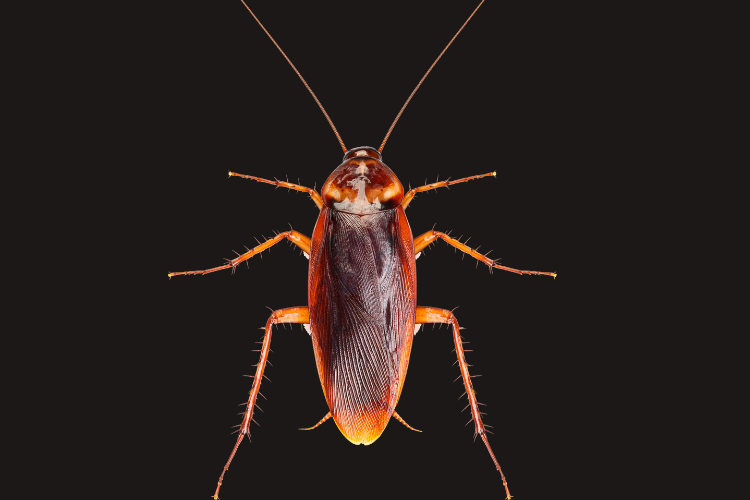
German cockroaches and bed bugs are the clearest examples. Both travel between units, and both make a single-unit treatment close to pointless if the neighbouring units go untouched. A resident complaint in unit 4 is frequently a population living in unit 6. This is the single most common reason associations spend money on pest control repeatedly and get no lasting result.
Ghost ants trail between units through the same shared voids, and they respond to being sprayed by splitting the colony, so well-meaning resident self-treatment tends to make a building-wide problem worse.
Roof rats enter at the roofline and move through shared attic space, which means an infestation reported by one owner is usually an association-level problem rather than an individual one.
Fire ants, lawn pests and mosquitoes sit squarely in common area responsibility. Fire ant mounds near playgrounds, pool decks and walkways are a genuine liability concern rather than a landscaping complaint, and mosquito pressure around retention ponds and amenity areas drives more resident complaints in this region than almost anything else.
Wasps build in mailbox kiosks, clubhouse eaves, pool enclosures and covered walkways, which are exactly the shared spaces residents use daily.
Where community pest problems begin
Shared walls and utility chases
Plumbing runs, electrical penetrations and shared voids connect units. Treating one unit while its neighbours are untouched is why the same complaint returns next quarter.
Common area grounds and amenities
Waste handling and dumpster areas
Unit turnover
How we service community and portfolio accounts
Site Assessment
Scheduled Programme
Reporting
Why property managers and boards choose Bug Off Pest
One contact across every property you manage, a certificate of insurance provided on request rather than after three emails, and reporting written for people who were not on site. We also scope multi-unit work honestly, which sometimes means telling a board that treating one unit is a waste of their money.
- One point of contact across multiple addresses
- Certificates of insurance provided on request
- Board-ready reporting after every visit
Frequently asked questions
Can you provide a certificate of insurance?
Yes. Bug Off Pest is licensed by the Florida Department of Agriculture and Consumer Services and carries full liability and workers’ compensation coverage. Request a certificate naming your association or management company and we will provide it.
Who handles resident notification and unit access?
We coordinate with you. Florida rules require residents to be given notice before entry, so unit work is scheduled in advance and we work to whatever notice process your management already uses. Common area and exterior service generally needs no resident coordination at all.
One unit has roaches. Do we really need to treat the neighbouring units?
For German cockroaches and bed bugs, usually yes, and this is worth explaining to a board before it becomes an argument. Both travel through shared walls, plumbing chases and outlet penetrations, so treating one unit in isolation typically means the same complaint returns within weeks. We will tell you the sensible scope rather than defaulting to the whole building.
Can you cover several properties under one agreement?
Yes. Portfolios and multi-property associations are handled under a single agreement with one point of contact, one schedule and consolidated reporting. It is simpler to administer and it usually prices better than separate contracts per address.
What documentation do we get for board meetings and budgets?
A written service report after every visit and a record you can present at a board or owners meeting. Communities are usually justifying a line item rather than a treatment, and having a documented history of what was found and resolved makes that a much shorter conversation.