Honey Bee Removal & Relocation
Explore Our Services

Let's Get Started
- Mon - Sat: 8:00 AM - 5:00 PM
- Parada St, Punta Gorda, FL 33982
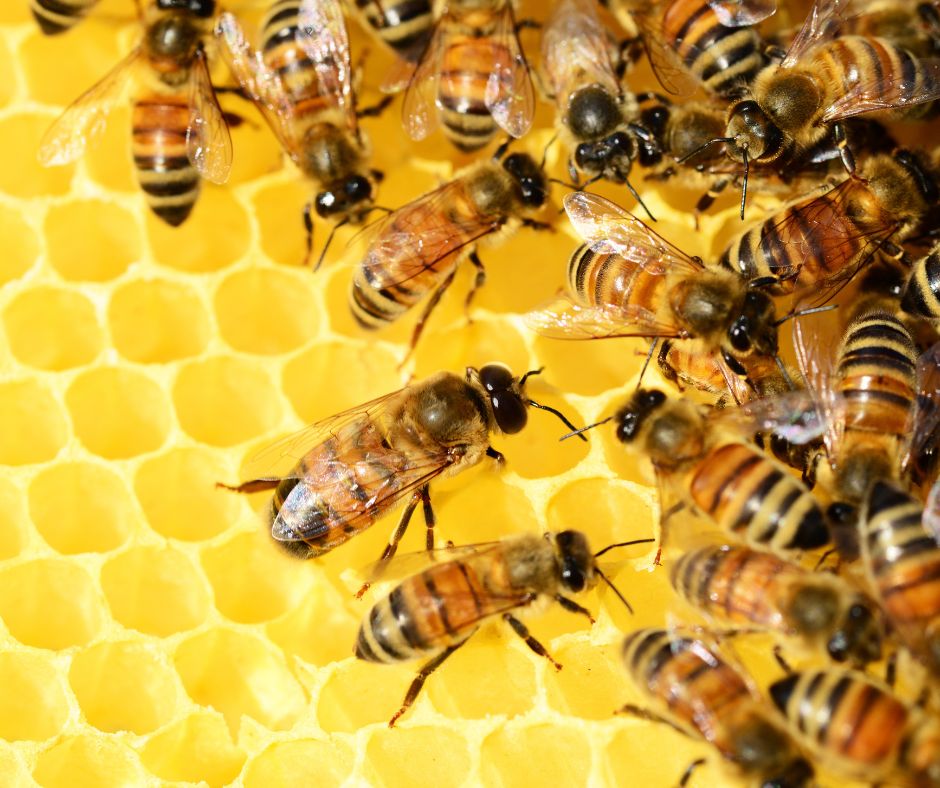
We do not exterminate honey bees. That is a policy, not a marketing line, and it is why people call us instead of a company that will quote a spray treatment over the phone.
Honey bees are pollinators, and a colony that has moved into your soffit is not a pest problem in the way a roach infestation is. It is a colony in the wrong place. Our job is to get them out of your structure alive, remove the comb they built, and leave the void repaired so nothing moves back in. Bug Off Pest handles honey bee removal across Charlotte, Sarasota, Lee and DeSoto counties.
If you have bees in a wall right now, the most useful thing you can do is leave them alone and call us. The things people instinctively try first make this job harder and more expensive.
A swarm and an established colony are two different jobs
A swarm is a cluster of bees hanging on a branch, fence post or eave, often the size of a football or larger, with no comb. This is a colony in transit looking for a permanent home. Swarms are usually docile because the bees are full of honey and have no nest to defend, and they are relatively straightforward to collect and move. Swarms are also temporary, and a swarm today can be a colony in your wall by the weekend, so the window to deal with it cheaply is short.
An established colony is bees that have moved into a cavity in your structure and built comb. Soffits, wall voids, roof spaces, chimneys and shed walls are the usual choices. This is a bigger job, because getting the bees out is only half of it. The comb has to come out too.
That second part matters more than most homeowners realise. A colony inside a wall can hold a substantial amount of wax and honey. If the bees are removed or killed and the comb is left, the wax softens in Florida heat and the honey seeps into drywall, insulation and framing. You get staining, odour, and a slow-release food source that draws roaches, ants, wax moths, small hive beetles and rodents into the cavity. Homeowners who take the cheap option often end up paying twice, once for the bee problem and again for the pest problem it created.
A note on safety. Africanized honey bees are established in Florida, and a feral colony cannot be identified by appearance from the ground. Treat any established colony as one that will defend itself, keep children and pets well away from the entrance, and do not disturb it. This is genuinely a job to leave to someone with the equipment for it.
Signs you have bees in your structure
Steady traffic at one point
Buzzing inside a wall or ceiling
Staining or seepage indoors
A cluster with no comb
Our honey bee removal process
Inspection & Location
A licensed technician confirms the insects are honey bees rather than wasps, and determines whether you have a swarm or an established colony. For a colony in a structure we locate the extent of the nest before opening anything, so the access point is where the comb actually is rather than where the bees are going in.
Live Removal & Comb Removal
We remove the bees alive and take out the comb with them. Every piece of wax and honey comes out of the cavity. This is the part that separates a real removal from a spray treatment, and it is the reason the job takes longer and costs more than extermination would.
Repair & Exclusion
We repair the structural damage caused by the colony and by the access needed to reach it, then seal the void so another swarm cannot use the same cavity. Bees find existing openings rather than making new ones, and a wall that housed one colony will house another if it is left open.
Why choose Bug Off Pest for bee removal
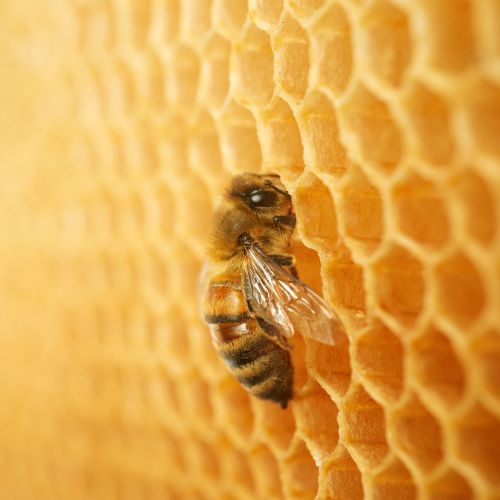
We are one of the few companies in the region that will not simply exterminate a honey bee colony, and we do the whole job rather than the visible half of it. Comb removal and structural repair are included in the plan, not quoted as a surprise afterward. Our technicians are FDACS-licensed and fully insured.
- Live removal and relocation, never extermination
- Full comb removal, not just the bees
- Structural repair and cavity sealing included
Frequently asked questions
Do you kill the bees?
No. We never exterminate honey bees. They are removed alive and relocated. Bees are pollinators and a colony in your soffit is a colony in the wrong place rather than something that needs killing.
Can I just seal the entrance and let them leave?
No, and this is the mistake that turns a manageable job into a serious one. Sealing the only exit does not remove the colony, it traps it, and trapped bees very often chew or find their way inward and emerge inside the living space instead. The comb, the honey and the resulting damage all stay in your wall either way.
What happens if I spray them myself?
You will make a defensive colony more defensive without eliminating it, and you will still have the comb and honey in the cavity afterward. Store-bought products do not reach a colony deep in a wall void, and the attempt usually means the removal has to be done under worse conditions than before.
Do you remove the honeycomb as well?
Yes, always. Removing bees and leaving comb is the most common shortcut in this trade and it causes the worst outcomes: wax melting in Florida heat, honey seeping into drywall and framing, staining, odour, and secondary infestations of roaches, ants, beetles and rodents feeding on what was left behind.
How much does honey bee removal cost?
It depends on where the colony is, how large it is, and how much structure has to be opened to reach it. A swarm on a branch and a colony deep in a two-storey wall are very different jobs. We inspect first and quote before any work starts, and dealing with a swarm early is by a wide margin the cheapest option.