Mosquito Control
Explore Our Services
Let's Get Started
- Mon - Sat: 8:00 AM - 5:00 PM
- Parada St, Punta Gorda, FL 33982
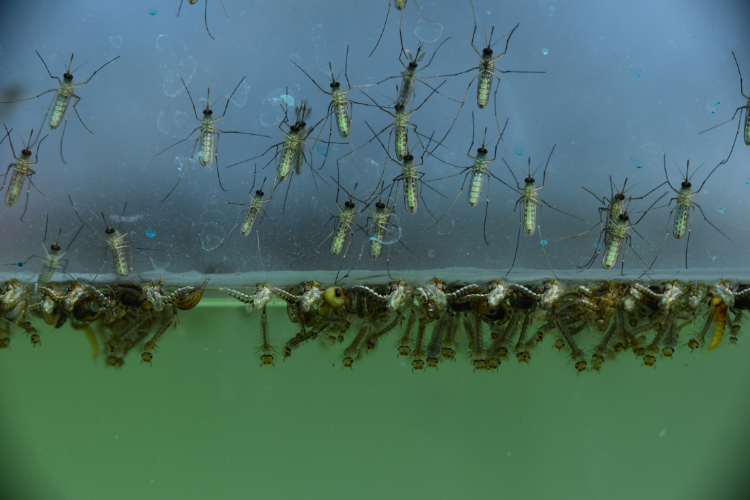
Most mosquitoes biting you in your own yard hatched in your own yard. The container-breeding species that dominate residential Southwest Florida rarely travel more than a couple of hundred yards from where they emerged, and they can complete a full life cycle in about a week in a teaspoon of water.
That changes what effective mosquito control looks like. Spraying the lawn on a schedule treats the symptom. Finding what is breeding them and dealing with that is what actually reduces the population. Bug Off Pest treats mosquitoes across Charlotte, Sarasota, Lee and DeSoto counties, starting with a free inspection of where the water is sitting on your property.
Why mosquito pressure is so high here
Southwest Florida gives mosquitoes almost everything they need year round: heat, humidity, rainfall, and an enormous amount of standing water in canals, ditches, retention ponds, mangrove edge and salt marsh.
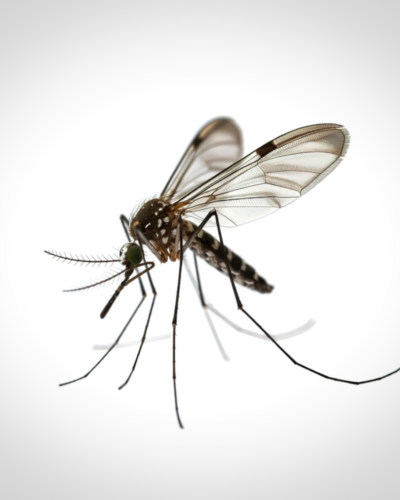
The species split matters. Container breeders like the yellow fever and Asian tiger mosquitoes develop in small volumes of water around the home. They bite during the day, often around the ankles, and because they stay close to where they hatched, the source is almost always on your property or your neighbour’s. These are the ones property treatment actually solves.
Salt marsh and floodwater mosquitoes are a different matter. They breed in mangrove and marsh in enormous numbers after high tides or heavy rain, and they travel considerable distances inland. No amount of yard treatment stops those at the source, which is what county mosquito control programs exist for. Property treatment still helps by killing them where they rest once they arrive.
The resting behaviour is the key to how treatment works. Mosquitoes do not spend the day in open sun on your lawn. They shelter in dense shaded vegetation, under the leaves of shrubs, beneath decks, in ground cover and along fence lines. Effective barrier treatment goes onto those resting sites, not broadcast across the grass.
Mosquitoes can transmit disease to people and heartworm to dogs. If you have concerns about either, your county health department and your vet are the right people to ask.
Where mosquitoes breed on your property
Bromeliads
The single most overlooked source in Southwest Florida. Bromeliads hold water in the leaf axils by design, and a bed of them can breed mosquitoes continuously while the yard looks perfectly dry.
Plant saucers, bird baths and containers
Saucers under potted plants, bird baths, buckets, tarps, wheelbarrows, kids’ toys and boat covers. Anything holding water for a week is a nursery.
Gutters, drains and irrigation boxes
Untended pools and water features
Our mosquito control process
Inspection & Source Identification
A licensed technician walks the property looking for standing water and resting habitat: bromeliads, saucers, gutters, drains, dense shaded planting, under decks and along fence lines. You get a list of what is producing mosquitoes on your property, including anything you can simply tip out yourself.
Barrier & Larval Treatment
We apply a residual barrier treatment to the resting sites, targeting the shaded vegetation where mosquitoes shelter during the day rather than blanket-spraying open lawn. Standing water that cannot be drained gets treated with a larvicide to break the cycle before adults emerge.
Recurring Protection
Barrier treatments break down over time and mosquito pressure here does not pause seasonally, so ongoing control means treatment on a schedule rather than one visit. We also tell you which sources on the property you can eliminate permanently, because a bromeliad bed emptied weekly beats any treatment we can apply to it.
Why choose Bug Off Pest for mosquito control
We look for the source before we treat, we apply to resting habitat rather than fogging your lawn, and we apply with pollinators in mind. That last point is not a throwaway: we do not exterminate honey bees, and we are not going to wipe out the pollinators in your garden while treating for mosquitoes either. Applications avoid blooming plants and are timed to when pollinators are not active.
- Breeding sources identified, not just sprayed over
- Targeted barrier treatment to resting habitat
- Applied with pollinators and pets in mind
Frequently asked questions
How long does a mosquito treatment last?
A barrier treatment typically holds for a few weeks before it breaks down, and heavy rain shortens that. Because mosquito pressure in Southwest Florida runs year round, meaningful control means a recurring schedule rather than a single visit. Your inspection will tell you what interval your property actually needs.
I do not have standing water, so where are they breeding?
Is mosquito treatment safe for pets, children and pollinators?
Yes, applied correctly and to label. Pets and children should stay off treated areas until dry, and your technician will give you the re-entry time. For pollinators we apply to resting habitat rather than blooming plants and time applications to when bees are not foraging.
Doesn't the county already spray for mosquitoes?
County mosquito control programs target broad-area species, particularly the salt marsh and floodwater mosquitoes that arrive in waves after rain and high tides. They do not treat the container breeders producing in your bromeliads and gutters. The two work on different problems and property treatment is what handles yours.