Livestock Pest Protection
Explore Our Services
Let's Get Started
- Mon - Sat: 8:00 AM - 5:00 PM
- Parada St, Punta Gorda, FL 33982
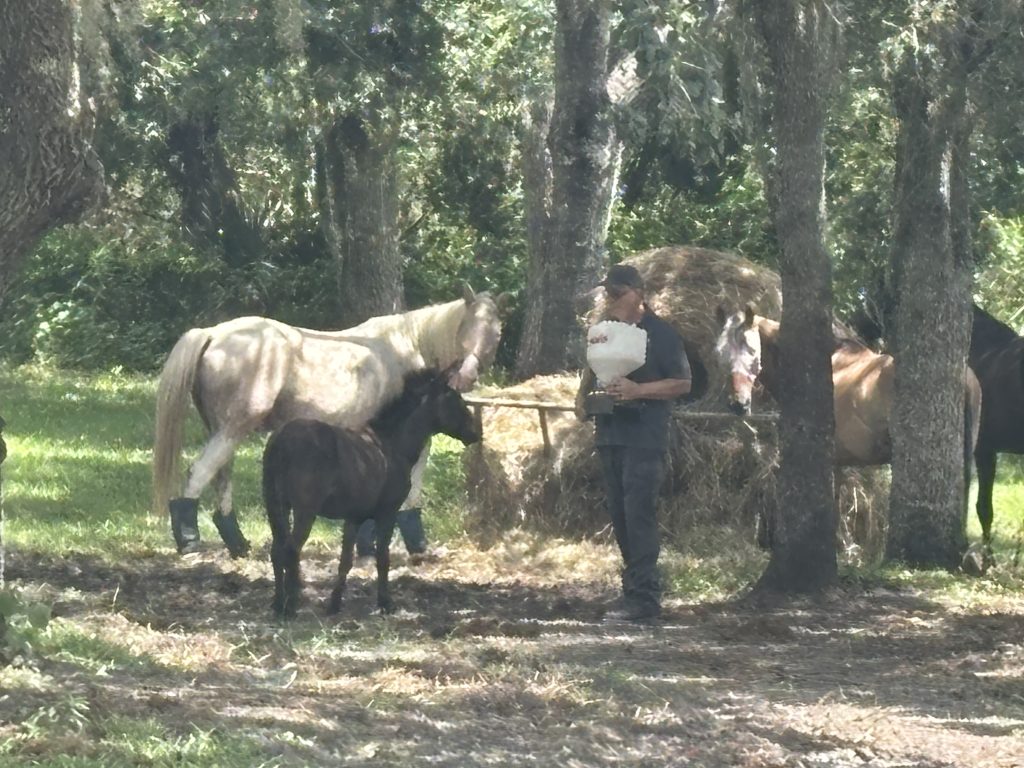
External parasites are a production cost, not a nuisance. Cattle under heavy fly pressure spend the day bunching, stamping and standing in shade instead of grazing, and that shows up where it matters: weight gain, condition, and milk yield.
Most operations we assess are already doing something about it. The problem is usually that the something stopped working, and nobody explained why. Bug Off Pest builds livestock pest programmes across DeSoto, Charlotte, Sarasota and eastern Lee counties, with attention to the two things that actually determine whether a programme holds: the breeding source, and rotating chemistry before resistance builds.
The parasites costing you production
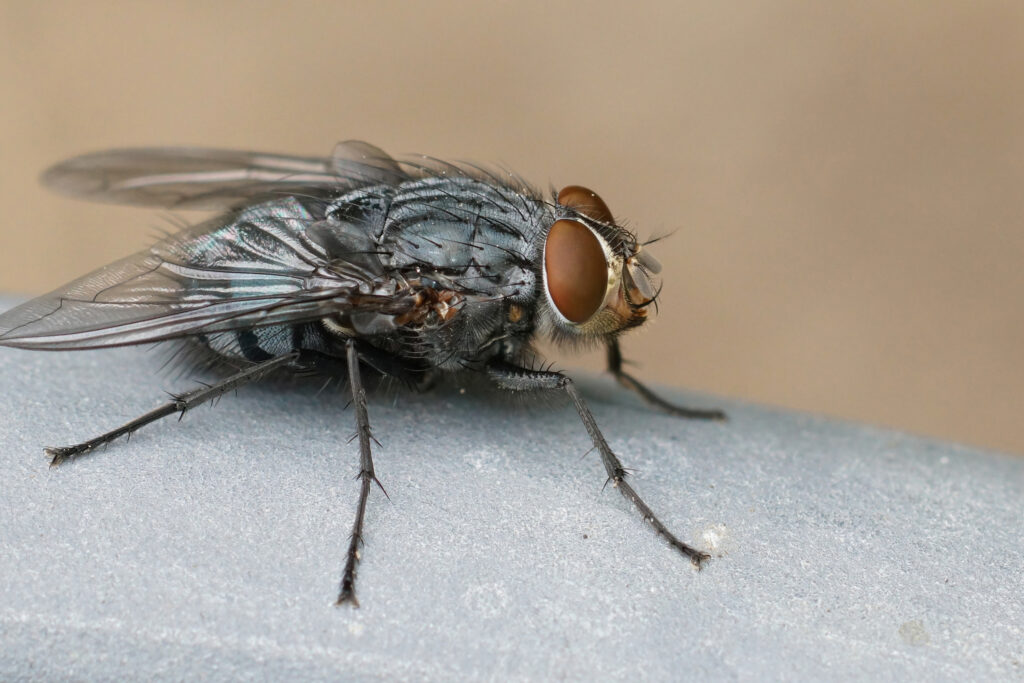
Horn flies are the most economically significant fly on pasture cattle in this region. They stay on the animal almost continuously, feeding many times a day, and they breed in fresh manure pats out in the paddock. A commonly used action threshold is around two hundred flies per animal, at which point production losses are already measurable. Below that, treatment costs more than it returns.
Face flies feed on secretions around the eyes and muzzle and are the primary vector concern for pinkeye. They do not stay on the animal, which changes what controls them.
Stable flies bite the legs and lower body and produce the classic bunching and stamping behaviour. They breed in wet organic matter around confinement areas, feeding sites and bale rings rather than in pasture manure, which is covered in more detail on our barn and stable fly page.
Lice and mites show up as rubbing, hair loss and poor condition, more noticeably in cooler months and in closely housed animals.
Ticks attach on pasture and around brush lines, affecting condition and carrying disease risk. Pasture and perimeter management matters as much as animal treatment.
Rodents are the quiet cost. They contaminate stored feed, chew wiring in barns and equipment sheds, and once established in a feed room they are expensive to remove.
Where livestock pest pressure originates
Fresh manure pats on pasture
Confinement, feeding and bale sites
Feed storage and equipment sheds
Standing water and wet ground
How we build a livestock pest programme
Site Assessment
Programme Design
Ongoing Service & Review
Why Florida cattle operations choose Bug Off Pest
Agricultural work is core to what we do rather than something we take on when residential is quiet. We identify the species and the breeding source before recommending anything, we manage chemistry rotation so a programme keeps working, and we cover the whole operation including the feed room and equipment sheds most pest companies never look at.
- Species and breeding sources identified first
- Chemistry rotated to manage resistance
- Pasture, confinement and feed storage covered
Frequently asked questions
My fly tags used to work and now they do not. What changed?
Do feed-through fly control products work?
Are treatments safe given beef and dairy withdrawal requirements?
Do you handle rodents in feed storage and equipment sheds?
Yes, and it is usually the part of an operation getting the least attention. Rodents in a feed room contaminate stock, chew wiring in equipment sheds and breed quickly with a permanent food source available. We handle it with exclusion and monitoring rather than loose bait around feed.