


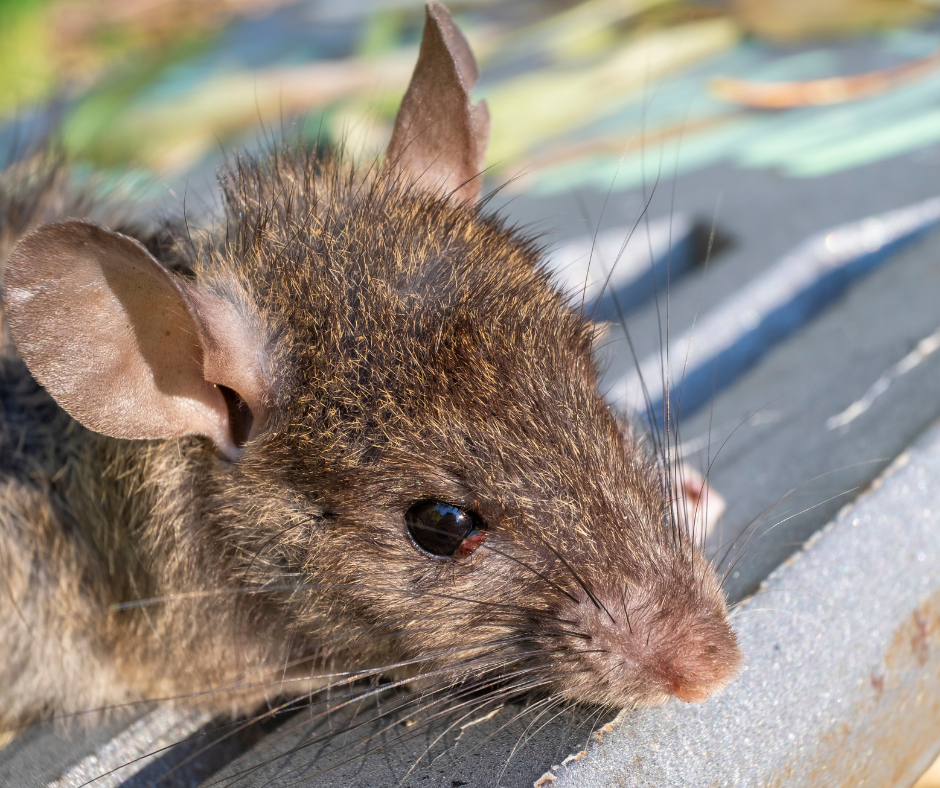
If you have heard scratching or scurrying above your ceiling at night, there is a good chance you are sharing your home with a roof rat. They are the most common rodent we deal with across Southwest Florida, and they are remarkably good at getting into places they do not belong. Understanding roof rats in Florida is the first step to keeping them out, so let us walk through why they thrive here and what actually works to evict them.
What Are Roof Rats?
Our state is close to a perfect habitat for these rodents, and a few specific conditions make the problem worse here than in most places.
The Warm Climate
Roof rats never get a hard winter to knock back their numbers. Florida’s mild temperatures let them breed year round, and a single pair can produce dozens of offspring in a year. Without a cold season to slow them down, populations build quickly.
Abundant Food and Water
Roof rats love fruit, which is why they earned the nickname fruit rats. Citrus trees, mango, avocado, and ornamental palms all provide an easy buffet. Add in pet food left outdoors, bird feeders, and unsecured trash, and the average yard offers plenty to eat. Our frequent rain and irrigation keep water sources easy to find too.
Dense Vegetation and Tree Cover
Overgrown landscaping gives roof rats both shelter and a highway. Tree branches touching the roof, thick shrubs against the foundation, and tangled vines all create cover and access points. The more connected your landscaping is to your roofline, the easier it is for rats to climb aboard.
Lots of Easy Entry Points
Florida homes have features that rats exploit. Tile roofs, vented soffits, and gaps where utility lines enter the house all create openings. Once a rat finds a way into the attic, the warm, quiet, protected space becomes an ideal nesting spot.
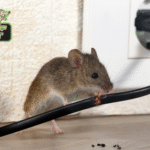
Roof rats are nocturnal, so you may hear them before you see any evidence. Common signs include scratching or scampering noises overhead at night, droppings in the attic or along the tops of walls, gnaw marks on wires and wood, smudge marks where their oily fur rubs against surfaces, and a musky odor in enclosed spaces. Chewed fruit or rinds in the yard with the inside scooped out is another classic clue.
If you notice any of these, it is worth acting quickly. Rats reproduce fast, and a small problem becomes a colony in a matter of weeks.
How to Keep Roof Rats Out of Your Attic
Getting rid of roof rats is really two jobs. You have to remove the ones already inside, and you have to seal the home so new ones cannot follow. Skipping the second part is the most common mistake we see, and it is why trap-only efforts usually fail.
Seal Every Entry Point
This is the heart of long term control, often called exclusion. Inspect your roofline, soffits, vents, and the spots where pipes and wires enter the house. Seal gaps with steel wool, hardware cloth, or sealant that rats cannot chew through. Pay special attention to the corners of tile roofs and any spot where two rooflines meet.
Trim Back the Landscape
Cut tree branches back at least a few feet from the roof so rats lose their bridge to the house. Trim shrubs away from the foundation and clear out dense ground cover. The goal is to break the connection between your yard and your roofline.
Remove Food and Water Sources
Pick up fallen fruit promptly, secure garbage in sealed bins, bring pet food indoors at night, and fix leaks or standing water around the property. The less your yard offers, the less attractive it becomes.
Use Proper Traps and Monitoring
Snap traps placed along the runways rats travel are effective when used correctly, but placement and timing matter. We generally steer homeowners away from poison baits inside living spaces, since a rat can crawl into a wall to die and create an odor problem that is worse than the original.
Why Professional Rodent Control Works Better
DIY efforts often knock the numbers down for a while, then the rats come right back because the entry points were never properly sealed. Professional rodent control and exclusion tackles both halves of the problem. A technician identifies how the rats are getting in, removes the active population, seals the structure, and sets up monitoring to confirm the problem stays solved.
At Bug Off Pest, every job starts with a free inspection so we can map the entry points and conducive conditions specific to your home rather than guessing. If you have already noticed the warning signs covered above, our guide on the signs you need pest control is worth a read too.
Frequently Asked Questions
How do I know if I have roof rats or another rodent?
Roof rats live high in the home, so attic noises, droppings along the tops of walls, and chewed fruit in the yard point to them. Norway rats stay low and burrow near the ground instead.
Are roof rats dangerous?
Yes. They can spread disease through droppings and urine, contaminate food, and chew electrical wiring, which creates a fire risk. They also reproduce quickly, so a small problem grows fast.
How long does it take to get rid of roof rats?
With proper trapping and exclusion, most active infestations are resolved within a few weeks. Follow-up visits confirm the rats are gone and the sealed entry points are holding.
Will roof rats leave on their own?
No. An attic offers shelter, warmth, and safety, so rats have no reason to leave. They will keep breeding until they are removed and the home is sealed against them.
How fast does pest control get rid of them?
A professional treatment usually shows big results within 1 to 2 weeks. Fully wiping out an established population takes about 4 to 6 weeks, with follow-up treatments to break the breeding cycle.
The Bottom Line
Florida’s warm climate, abundant food, and dense landscaping make it one of the easiest places in the country for roof rats to thrive. Keeping them out of your attic comes down to sealing entry points, cutting off their access and food, and removing the population already inside. Do all three and the problem stays solved.
If you suspect roof rats in your home anywhere across Charlotte, Sarasota, Lee, or DeSoto counties, contact Bug Off Pest for a free inspection. We will find the entry points, clear the rats out, and seal your home so they cannot come back.