




Termite infestation can be a big risk for homes. It often leads to significant structural damage as time goes by. One of the main signs of termite activity is finding termite tubes. These are mud structures that subterranean termites make. The tubes help termites keep enough moisture. They also protect the pests from things outside that could harm them. These tubes are very important for the survival of the termite colony. Finding these tubes early and knowing what they mean is very important for good pest control. Let’s talk about simple ways to spot termite tubes and what you can do to protect your home from a termite infestation.
Common Signs and Easy Ways to Identify Termite Tubes
To spot mud tubes made by termites, you need to know what to look for and where to find them. Look along the outside walls, the base of the house, and on wood beams. These termite tubes are about as wide as a pencil. They are earth-colored and break easily. These things help you tell termite tubes apart from other marks or things you see in your home. If you see strange mud patterns on your house, these might be signs of termites.
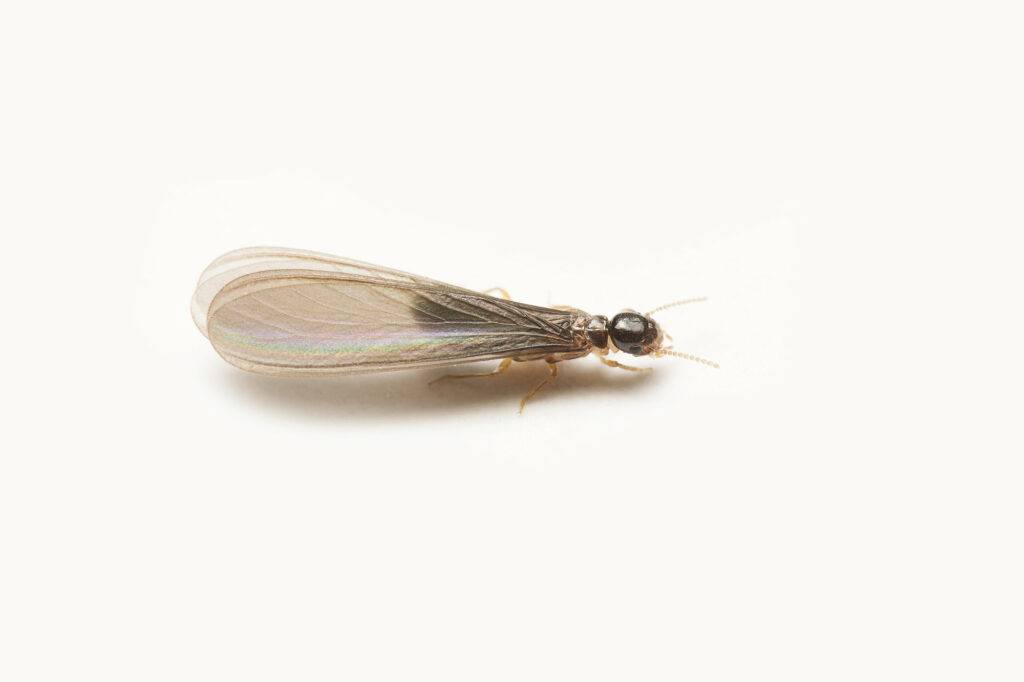
There can be other signs that go along with termite activity. Sometimes, you find wood that sounds hollow when you tap it or see wings left behind from pests near the area. If you watch out for these signs and look at them closely, you can know if there are termites in your home. It is good to find these mud tubes early, so you can take the right steps for pest control and stop termite damage before it gets worse.
Distinct Mud Structures Along Walls, Beams, or Foundations
Termites often leave mud tubes on the walls, beams, or foundations of a house. These mud tubes are made from soil, saliva, and bits of wood. The termites make them to move safely from their home under the ground to get food. The tubes are earth-colored and can break easily. You can spot them because they look different from normal dirt marks. These paths are very important to the termites. The tubes hold in moisture and keep the termites safe from any pest or animal that may hurt them.
The damage caused by these mud tubes can be bad. Subterranean termites use these tubes to get to the wood inside the home. Over time, they can make the walls and beams weak and hollow. Finding these mud tubes on your walls or around the foundation of your house is a big sign of termite activity. It may be the first thing you notice before bigger problems come up.
Check places where termites often enter, like basement walls or crawl spaces. If you find these mud tubes, there could be a termite infestation. It is a strong sign that you need to call pest control. Getting help fast will protect your home from more damage.
Pencil-Width Tunnels Connecting Soil to Wood
One of the easiest ways to spot termite tunnels is by looking for small, pencil-width tunnels that run from the soil up to wooden structures. Subterranean termites like to make these termite tunnels because they give the insects an easy way to get from the soil to their food sources, which are usually pieces of wood above ground. These termite tunnels have a diameter about the same as a pencil. They are smooth, round, and run from things like foundations, joists, or beams down to the ground.
These tunnels are very important for a termite colony. The tunnels help them carry food and also keep the insects in touch with the moisture in the soil. There can be hundreds of termites walking through these tubes all the time, bringing food back to their nest and then heading back up to the wooden structures. If you look at the tunnels, you can see that some of them branch out in different directions, almost like a little highway for the termites.
When you notice these termite tunnels near any wooden structures, it’s a good sign that there is termite activity going on. If you act quickly, you can stop subterranean termites from causing more harm to your place. Catching these problems early will save you a lot of trouble and money down the line.
Tubes Breaking Open to Reveal Cream-Colored Termites
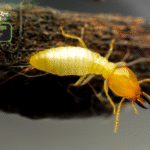
If you see broken termite tubes, you might find cream-colored worker termites inside them. These worker termites are part of an active termite colony. They move food back to the nest. When you break a mud tube a little, you will likely see a lot of termite activity right away. This is a clear sign that the termite infestation is serious.
The broken tubes are not just paths. They mean there is an active termite infestation, and these pests are helping the termite colony survive. When you see worker termites moving inside the tubes, it shows the termites are eating and making more termites. This can quickly cause more harm to important wood in your home.
If you notice cream-colored termites inside the tubes, you need to act right away. Quick pest control is needed to check how bad the termite infestation is and stop more harm to your home. Only good help from pest control can help keep your house safe from this pest problem and future termite activity.
Brittle or Hollow-Sounding Wood Nearby
Another sign there may be termite damage is when wood near mud tubes feels brittle or sounds hollow. Termites eat wood from the inside out. Over time, this feeding makes wooden structures weak and empty on the inside. If you tap things like beams, joists, or floors and it sounds hollow, there could already be significant structural damage.
You can often feel the brittleness of the wood when you touch it. This is because the inner wood grains have been removed after long-term termite activity. At first, you might just notice that the wood surface splinters easily. But if you look more closely, you will see how much damage has been done inside.
If you find that wood in your home feels soft or sounds empty, you should give a pest control expert a call right away. Spotting these signs early is important. It can help stop further termite damage and keep your home’s wooden structures safe from more costly problems.
Differences Between Termite Tubes and Other Insect Tunnels
Telling the difference between termite tubes and other types of insect tunnels can be hard. But it is important for good pest control. Termite tubes are made mainly to keep in moisture and protect the subterranean termites. Other insects, like ants or carpenter bees, make tunnels for different purposes.
For instance, termite tubes look like thin lines, about the width of a pencil, and they are earth-colored. Ant tunnels are not as wide, and they do not have a mud cover on the outside. Carpenter bee tunnels are different too. They make smooth holes in wood, but you will not see any soil like you do with termite tubes. If you learn these key differences, it will be easier to spot termite activity and know what to do next.