



Are you tired of dealing with pesky critters and pests invading your home? Have you been searching for an effective way to keep these unwanted visitors away? Fortunately, the secret to effective pest control lies in knowing what attracts them in the first place. With a few simple tips and tricks, it is possible to create a safe, pest-free environment for your family or business.
Pest Control Basics
Pest control is a necessary part of keeping your home and yard free from disease-carrying pests. Knowing the basics of pest control can help you keep your family safe and healthy while avoiding expensive treatments.
The key to effective pest control is finding out what kind of pests you are dealing with and understanding their habits. You should also know how to identify early signs of infestation, which could include droppings, eggs, or larvae around the house. Taking preventive steps like sealing cracks in walls or windows can also help prevent pests from entering your home.
Identifying Potential Pests
When it comes to pest control, the key is identifying potential problem areas in your home and garden. Knowing what types of pests live in your area and what they may be attracted to can make a big difference in keeping them away. Knowing how to identify potential pests is an essential tool for any homeowner who wants to keep their garden free from critters.
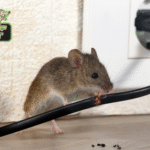
Identifying potential pests involves familiarizing yourself with the type of environment they thrive in, as well as understanding their behavior patterns. To start, inspect your property for signs of damage caused by creatures such as chewed foliage or gnawed wood. Look for droppings that might indicate a rodent infestation and check for nests or other hiding places near water sources like ponds or streams.
Prevention is Key
Prevention is Key when it comes to effective pest control. Taking the proper preventative measures can help protect your home and yard from unwanted critters without having to use harsh chemicals or other hazardous materials. Keeping your home and outdoor area clean and free of debris is an important first step in the process, as this will discourage pests from taking up residence in your space. Additionally, sealing cracks or holes on the outside of your home can go a long way towards preventing pests from making their way inside.
Natural Repellents and Traps
Pest control can be a tricky business. Knowing which natural methods work best to repel and trap critters is key to keeping your home pest-free. Natural repellents and traps are an effective way to get rid of pesky bugs, rodents, and other unwelcome visitors without using harsh chemicals or poisons. Here’s what you need to know about using natural repellents and traps for effective pest control.
Natural repellents are substances that can help keep pests away from your home. Common ingredients in natural repellents include garlic, cayenne pepper, coffee grounds, vinegar, citrus peels, and essential oils like peppermint or citronella oil. These substances have strong odors that many pests are not fond of – which encourages them to stay away from your property!
Professional Services
Pests are an unwelcome presence in any home or business. They can cause costly damage to property and spread diseases, making it essential to take quick action. Professional services provide the most reliable and effective method of pest control – but how do you go about finding the right service?
Follow Up Maintenance
Follow up maintenance is an important step in keeping critters away and maintaining effective pest control. Homeowners who want long-term relief from pests should focus on both preventative solutions and follow up measures to ensure that the problem does not resurface. A regular evaluation of your home for potential entry points is key, as well as a yearly review of the effectiveness of your chosen pest control methods.