

Termite colonies often live quietly in your home, and they can be a big danger to the safety of your house. They eat the wood and can cause you to need to make expensive repairs if you do not act fast. It is important to use strong pest control to get rid of termite infestations and stop them from coming back. This helps protect your home’s wooden parts and the base of your house.
To keep your house safe, you need to learn about termite damage. You also need to know how to spot infestations early and pick the right termite treatments. This is the best way to look after your home and feel peace of mind. In this blog, I will talk about the best ways to kill termite colonies and stop them from coming back. You can be sure that your home and your peace of mind will be safe.
Understanding Termite Colonies and Their Threat to Your Home
Termites work together in groups, making it hard to spot them until there is a lot of wood damage. They eat cellulose, which you mostly find in wood. Their presence can weaken a home, as the termites cause big problems for the wood inside.
A termite infestation is not just a small problem. It can turn into a big and costly threat. It can also be dangerous. You need to act fast if you think you have termites. Getting the right termite treatments will help keep your home safe. Let’s talk about what a termite colony is and look at how they cause harm
What Is a Termite Colony?
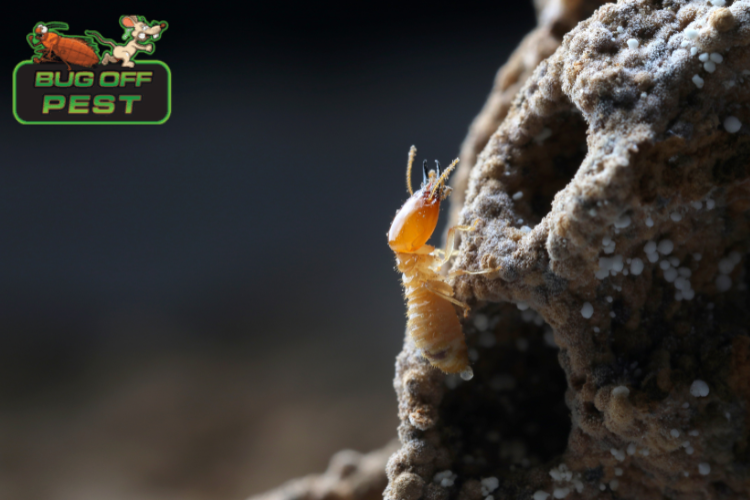
A termite colony works like a strong team. There is a caste system in every colony. It has reproductive termites, workers, and soldiers. The reproductive termites are the queen and the king. They lead the group and help make more termites. Because of this, colonies can get very big—sometimes there can be over a million termites.
There are different types of these pests. Subterranean termites live in moist soil. Drywood termites set up their homes right in wooden things. Even though the types are different, the big goal is the same. They all want to eat cellulose, as it keeps the colony going.
If you want to understand and stop termites, you need to know how their colony works. Their social system is not simple, and they move around a lot. When we learn about their habits, we can make better choices to get rid of infestations.
How Do Termites Damage Homes in the United States?
Termite damage is now a big worry for many people in the United States. These bugs keep eating away at wood structures. They chew through the wood and break down the cellulose found in it. This makes support beams, walls, and furniture weak. It puts your home at risk. If you knock on wood and it sounds hollow, this may be one of the first signs of termites.
Subterranean termites are well known for making mud tubes. They use the tubes to move around and look for food. They often start at the bottom and go for your home’s foundation. Drywood termites are different. They eat wood used for strong parts of your house and can cause wood damage inside the wood. This kind of wood damage is harder to spot.
If you do not fix termite problems, it can end up costing you a lot. Sometimes the damage will be so bad it cannot be fixed. It is very important to know how termites invade your house and to act fast. Putting strong measures in place helps to keep your house safe from wood damage and termite damage.
Identifying Termite Infestations Early
Finding termite activity on time is very important to stop big problems in your home. A good termite inspection can help you see early signs like mud tubes, wood damage, or old wings left behind. These can show that there may be an issue.
If you see these early signs, you can do termite treatments right away. It also helps to do regular inspections and look in places like crawl spaces where they may hide. This simple plan helps you keep your home safe. Next, we will talk about the main signs of termite activity and look at the parts of the house that may let termites come in.
Common Signs of Termite Activity Indoors
Detecting termites starts when you see signs of their activity inside. Here are some signs to watch for:
Mud tubes: Subterranean termites make these thin tubes to move from their nest to food.
Hollow wood: If you tap on wood and it sounds hollow, it may mean that there is damage inside.
Discarded wings: Check for piles of wings near windows or doors. This may show that termites are swarming.
Frass: You may see small, oval termite droppings around wood.
Peeling paint: Termite damage can let water in and cause paint to bubble or peel.
The signs can often be found in hidden spots, like the basement or behind large furniture. Looking in these places can help you find termites early.
Areas of the Home Most Vulnerable to Termites
Some parts of your home are at higher risk for termite problems. This usually happens because there is more moisture and it’s easier for termites to get in. The main spots to watch are:
Crawl spaces: These places are dark and wet, so they are perfect for termites to live in.
The foundation: Subterranean termites get into homes by finding cracks in the foundation.
Entry points: Open spaces around utility lines, doors, or windows are common ways termites get inside.
Moist soil zones: When water builds up close to your house, it makes the soil wet and this can help termites live and grow there.
Regular inspections of these crawl spaces, entry points, and places with moist soil and cracks in the foundation can help find termite activity before it gets bad. Keeping these areas dry and well maintained is one good way to keep termites out and protect your home from damage.
Types of Termites Found in U.S. Homes
Different types of termites can get into your home. Each one needs a different way to get rid of them. The most common are subterranean termites. They live in moist soil and can cause a lot of harm to your home. Drywood termites do not need soil. They stay inside wood and often go after things like furniture and timber.
If you know the types of termites in your area, you can use better ways to stop them. In the next parts, we will talk about what makes subterranean termites and drywood or dampwood termites different.
Subterranean Termites
Subterranean termites are known to be the most harmful type in the United States. They like to live in moist soil and are often found near a home’s foundation. These termites build mud tubes that help them go back and forth between their home and food. The eastern subterranean termite is common, while some, like the Formosan termites, are known because they eat wood very fast.
These insects can hurt important parts of a house, such as support beams and floors. Their teeth are sharp, so they can break down wood bit by bit.
To get rid of subterranean termites, most experts use liquid termiticide or bait stations. These treatments build a barrier and work to kill the termites, which helps stop them from coming back. It is best to prevent them by keeping things dry and stopping moisture around your house and its foundation
Drywood and Dampwood Termites
Unlike the ones that live underground, drywood termites live inside the wood and do not need to touch the soil. You can find them in warm places near the coast. These termites often attack things like furniture, wooden beams, and door frames. Drywood termite colonies are not big, but over the years, they can do a lot of damage in one spot.
Dampwood termites, however, like wood that is wet and starting to rot. They are not as much of a risk for strong houses. Most of the time, they show up in places on the Pacific coast. These termites usually attack rotting trees or logs instead of main parts of houses.
To get rid of drywood termites, people often use spot treatments or fumigation. For dampwood termites, people deal with them by getting rid of anything wet. It is important to know which type of termite you are dealing with. This helps use the right way to treat the problem.
Frequently Asked Questions
Yes, you can get rid of termites at home by using DIY methods such as liquid termiticides and bait systems. But how well these ways work depends on how bad the problem is. If there are only a few termites, home methods may work. If the group of termites is big, you often need a professional to fix it for good.
To see if your termite treatment worked, look for fewer signs of termites, like less discarded wings or frass. Watch the places you treated to see if there is any new damage. You can also set up a professional inspection to make sure all the termites are gone.
Natural remedies can help with termites, but these do not work as well as chemical treatments. Some people use essential oils to keep these pests away. But if you face a big problem, you may need strong chemicals to get rid of all of them. It is important to look at your own situation to decide what to do.