




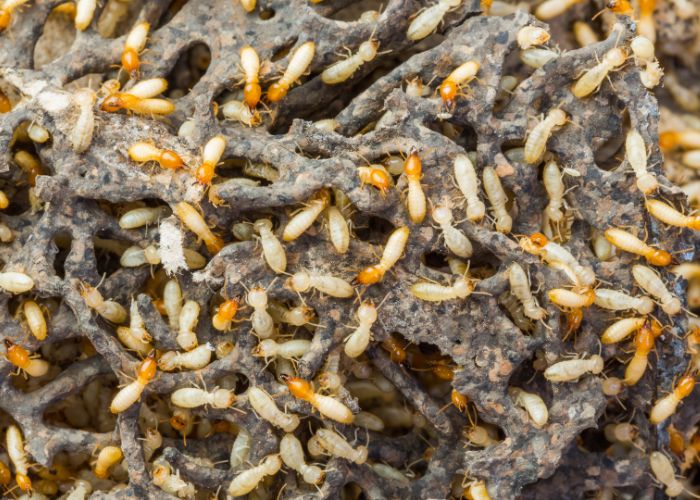
Termites are often called silent destroyers. They can quietly eat away at the wood in your home, and this can lead to expensive termite damage. When a termite infestation is not stopped in time, it can make your house unsafe to live in. But there are good pest control steps you can take. These can help keep your home safe from these pests. When you use the right safeguards, you lower your chances of having to deal with termites. You also help your home last longer. Let’s go over what you need to know about keeping termites out and getting the most from your investment.
Eliminate Wood-to-Soil Contact Around Your Property
One of the best ways to stop termite damage is to limit direct contact between the soil and wood. Termites like to use this contact point to get into your home. To help stop this, you should keep at least six inches between all wood structures and the ground.
Outdoor wooden features like siding, door frames, and deck posts need to be lifted off the ground. These should also be sealed well. If your home has a crawl space, you need to make sure it has good air flow. Do not leave any wood debris under there.
Not taking care of ground contact problems can make it easy for termites to move in. You can help keep termite infestation away by checking your outdoor area often. Fix what you see right away. Little changes like these can go a long way in stopping a termite infestation.
Control Moisture Levels in and Around the House
Moisture works like a magnet for termites. You need to keep moisture under control to stop termites from coming into your home. Fix any leaking pipes and faucets as soon as you find them. Be sure to check your air conditioning unit often for any leaks.
Good drainage helps a lot with pest control and can keep many pests away. Clean out your gutters and downspouts, so water moves away from your home’s foundation. Also, make sure there is enough airflow in places that often get damp, like crawl spaces and basements. This helps bring down termite activity.
Keeping up with moisture-control steps will make your home less attractive to large termite populations. This also helps protect the structure of your house. Know that termites love places that are wet, so taking care of water-related issues is a big part of pest control against termites and other pests.
Seal Cracks and Entry Points in the Foundation and Walls
Blocking entry points is very important to stop termites from getting into your house. First, you should check the foundation for any cracks or spaces where a termite could come in. Use good sealants or caulking to fill these gaps.
You also need to look at the walls. Check near places where pipes and wires go into the house and close any openings you find. If you do not take care of these spots, termites can use them to get in and start an infestation.
Taking steps early to seal up walls and foundations will lower the chances that termites get inside your home. If you check your house often and seal up the weak spots the right way, you can make it hard for termites to become a problem.
Remove Potential Termite Food Sources Like Wood Debris
Termites eat things that have cellulose, so getting rid of wood debris close to your home is very important. You should take out tree stumps, old roots, and extra wood from your yard.
You need to be careful with mulch. Do not stack it right next to your house’s foundation. Leave some space. This helps stop termites from making tunnels through it. It is also best not to keep construction waste near your house.
If you take away easy-to-reach termite food sources, your home will not be as inviting to these harmful pests. These easy steps, along with good pest control habits, help keep termite populations away.
Schedule Regular Professional Termite Inspections
Routine inspections are one of the best ways to help with termite control. When you call pest experts, they can spot risks and treat a termite problem fast. In the United States, people should get their homes checked once every year for a full check-up.
Your own DIY checks are important too. You should look for mud tubes, listen for hollow sounds when you tap wood, or notice if there are wings on the ground near the foundation or damp spots. If you find something early, you can act fast and save money. This can help to stop big damage and high repair bills.
Install Physical or Chemical Termite Barriers
Adding termite barriers to your property is a smart way to help with termite control. Physical barriers, like steel mesh, can block termites and keep them out of important parts of your home.
If you want to use chemicals, soil-applied termiticides make safe areas that termites cannot get through. Bait systems work too. They use slow-acting bait to kill termite groups over time.
All of these methods are a good choice for long-term termite control. Talk to a professional to pick and put in the best option for your place. This helps make sure it works well and is safe for everyone.
Store Firewood and Lumber Away From the Hom
Improper storage of firewood and lumber can bring termites close to your house. Keep firewood off the ground. Place it at least 20 feet away from the home. This can help lower the risk of infestation.
Do not store lumber for building or repairs right next to your house’s foundation. Keep it away from the base of your home. Termites can use lumber close to a foundation to get inside and damage your place.
Make these simple changes to keep pests like termites far from your home. Check your storage areas often so you do not get any surprise pest issues.