



Every parent wants their home to be a safe space for kids, free from pests and potential health risks. Pest control and effective pest management play a critical role in protecting your family’s well-being. It’s not just about eliminating unwanted intruders—pests can trigger allergies, spread disease, and contaminate food. Using safe, healthy control methods is essential for reducing these risks while keeping your household comfortable. Throughout this blog, you’ll discover practical, kid-safe strategies for keeping pests at bay and your home healthy.
Essential Ways to Keep Your Home Safe and Healthy for Kids with Pest Control
Keeping your home pest-free doesn’t have to mean exposing your children to harsh chemicals. By adopting safe-for-children pest control, you create a healthy home environment without risking unnecessary health hazards. Smart control methods range from sealing entry points to using natural ingredients that target pest populations but remain gentle for your family.
Wondering, “What are the safest ways to control pests in my home without risking my family’s health?” Let’s explore proven, kid-safe solutions and practical habits that protect children while keeping household pests under control.
1. Seal All Entry Points to Prevent Pests from Getting Indoors
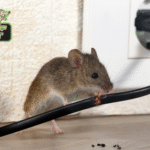
Start by inspecting your home for common entry points, such as cracks, gaps around windows, and spaces near doors. Sealing entry points is a proactive way to block household pests from moving indoors, minimizing the need for reactive pest control methods.
Use caulk or weather stripping to seal gaps in walls, doors, and windows.
Install door sweeps to prevent pests from crawling under exterior doors.
Repair torn screens and check for holes around utility lines.
Taking these steps is the first defense against pests like rodents, ants, and cockroaches. Many homeowners ask, “How can I prevent common pests from entering and infesting my home in the first place?” The answer lies in regular inspection and prompt sealing of every potential opening. This simple routine can drastically reduce pest populations and keep your living space family safe.
2. Maintain Cleanliness and Proper Food Storage
A clean home is less inviting to pests. Storing food and pet food securely is a straightforward way to minimize food sources that attract unwanted visitors. Make sure all food items are kept in airtight containers and clean up crumbs or spills immediately.
Store food, pet food, and snacks in sealed containers, away from easy access.
Sweep and mop floors regularly, especially in kitchen and dining areas.
Empty trash bins and clean up after meals to avoid attracting pests.
“What are the safest ways to control pests in my home without risking my family’s health?” Prioritizing cleanliness and proper food storage reduces the need for chemical pest control methods—making your environment healthier for children. Little steps like wiping countertops and promptly storing groceries can significantly impact pest management.
3. Use Eco-Friendly and Kid-Safe Pest Control Products
Eco-friendly methods are key to safeguarding your household. Opt for pest control products made from natural ingredients, such as essential oils, that are kid-safe and gentle on your environment. These non-toxic solutions target pests while keeping your family and pets out of harm’s way.
Choose sprays made with essential oils like peppermint, tea tree, or citronella.
Use diatomaceous earth, which is safe for both children and pets when used correctly.
Apply boric acid only in contained bait stations, minimizing exposure.
Many families ask, “Can you recommend eco-friendly pest control methods that are effective and safe for children and pets?” Natural ingredients and targeted applications provide peace of mind—no harsh chemicals lingering in your living areas. Consistently choosing eco-friendly solutions helps maintain a healthy home and supports long-term pest management.
4. Regularly Inspect and Declutter Hidden Spots
Pest populations thrive in cluttered, undisturbed areas. To maintain effective pest control, routinely inspect and declutter hidden spots such as basements, under appliances, closets, and storage bins. Reducing clutter limits hiding places for pests and makes your control methods more effective.
Remove piles of newspapers, cardboard, or unused items.
Organize closets and keep storage areas tidy.
Check behind furniture and appliances for signs of pest activity.
“How can I prevent common pests from entering and infesting my home in the first place?” The answer is ongoing vigilance. By decluttering and inspecting regularly, you disrupt pest populations before they settle in, making your home less attractive to invaders and easier to keep family safe.
5. Address Moisture Problems to Discourage Pests
Damp or humid environments are magnets for pests such as cockroaches, rodents, and mosquitoes. Addressing moisture problems is a crucial control method, reducing pest problems and protecting your home’s structure and air quality.
Fix leaking pipes, faucets, and appliances promptly.
Use dehumidifiers in damp areas like basements or laundry rooms.
“What are the biggest mistakes homeowners make with DIY pest control, and how can I avoid them?” Ignoring moisture issues allows pests to thrive and multiplies health risks. Regularly inspecting for water leaks and keeping humidity under control can make a significant difference in pest management, helping create a safe and healthy home for kids.
6. Practice Safe Waste Disposal and Composting
Proper waste disposal and mindful composting play a huge role in pest management. Household pests often target garbage, food scraps, and poorly managed compost piles. Adopting safe waste disposal techniques ensures pests are less likely to find food sources.
Secure trash bins with tight-fitting lids and empty them frequently.
Compost only in closed, pest-resistant containers and keep bins away from home entrances.
“How can I prevent common pests from entering and infesting my home in the first place?” By keeping waste and compost contained, you minimize attractants and make your home less appealing to pests. These simple habits keep your living spaces clean, reduce health risks, and provide strong preventive pest control
7. Involve Kids in Simple Prevention Habits
Family safe pest control works best when everyone participates. Teach children basic prevention habits to keep your home healthy and pest-free. Simple routines empower kids and establish lifelong habits for pest management.
Encourage children to clean up toys and snacks, and put away food after eating.
Teach kids to spot signs of household pests and alert adults if they notice anything unusual.
“What are the safest ways to control pests in my home without risking my family’s health?” Involving children in prevention habits minimizes the need for drastic control methods. These simple steps not only protect your home from pests but also foster responsibility and awareness about healthy living.
8. Schedule Professional, Family-Safe Pest Inspections
Regular professional pest inspections provide peace of mind and thorough protection. Certified pest control operators can identify hidden pest populations, offer expert advice, and apply family safe solutions tailored to your home’s needs.
Schedule inspections at least annually, or more often if you suspect pest problems.
Choose pest control services that prioritize eco-friendly and non-toxic control methods.
“Why is regular pest control important for maintaining a safe and healthy living environment?” Periodic inspections catch issues early and ensure that your pest management remains gentle yet effective. Trusting professionals with your pest control is the best way to maintain a consistently healthy home for kids and adults alike.