


Pests are more than just an annoyance. They can spread diseases, damage property, and put your family’s health at risk. From rodents and cockroaches to ants and bed bugs, an unchecked infestation can quickly get out of control. The good news is that effective pest control strategies can help protect your home and keep your family safe.
This guide explores practical steps you can take to prevent and remove pests, including both DIY solutions and professional services. Whether you are dealing with a minor issue or a full infestation, these strategies will help you maintain a cleaner and healthier living space.
Understanding the Importance of Pest Control
Health Risks Associated with Pests
Rodents and insects can carry harmful bacteria that contaminate food and surfaces. Cockroaches, for instance, can trigger asthma and allergies, while rodents can spread diseases through droppings and urine. Keeping pests out of your home is not just about comfort but also about protecting your family’s health.
Property Damage Caused by Pests
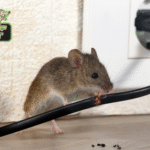
Termites can weaken wooden structures, while rats and mice can chew through electrical wiring, creating fire hazards. Effective pest management prevents costly repairs and protects the value of your property.
Effective Pest Control Methods
1. Chemical Pest Control
Chemical treatments, such as insecticides and rodenticides, are widely used for quick results. These methods can remove pests efficiently when applied correctly by trained professionals. Homeowners should be cautious with chemical use to avoid risks to pets, children, and the environment.
2. Physical Pest Control
Traps, barriers, and exclusion techniques are eco-friendly ways to reduce pest populations. Mouse traps, sticky boards for insects, and sealing entry points are effective steps to keep pests out without heavy chemical use.
3. Integrated Pest Management (IPM)
IPM combines different methods, including biological controls, sanitation practices, and environmental adjustments. By reducing food sources, eliminating hiding spots, and introducing natural predators, this approach offers long-term pest prevention while minimizing chemical use.
Common Household Pests and How to Handle Them
Rodents
Mice and rats are known for chewing wires, contaminating food, and causing structural damage. Seal cracks in walls, store food in airtight containers, and use traps to reduce rodent activity.
Cockroaches and Ants
These insects thrive in warm, damp areas and can spread bacteria. Keep your kitchen clean, remove food crumbs, and use bait stations or gel treatments to target colonies.
Termites
Termites are silent destroyers that feed on wood. Regular inspections and early detection are crucial. Professional termite treatment is recommended for complete removal.
Larger Wildlife
Squirrels, raccoons, and skunks may enter homes seeking food or shelter. Remove outdoor food sources and install mesh barriers or fencing to block entry points.