


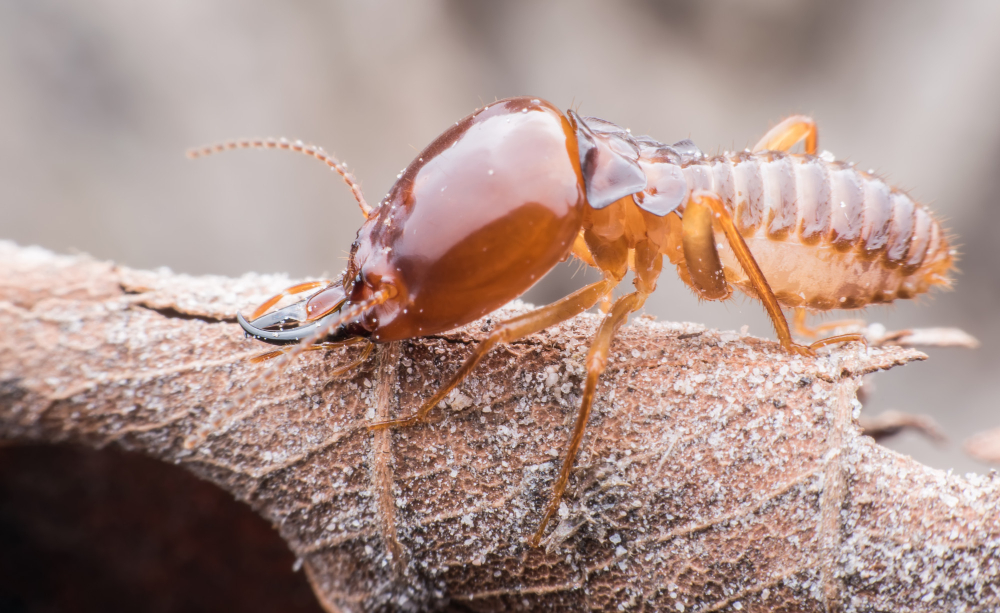
Termites are small, but they can do a lot of harm to your home. These pests can eat into wood and cause big problems with your house. You might end up paying a lot for repairs. Dealing with a termite infestation can also make things hard for you and your family. If you do not act, the damage could reach deep into your home’s structure.
It is good to know why pest management and termite prevention should be at the top of your list. Being on top of termite control can keep your home and your money safe. Taking action early stops serious issues before they start and helps you avoid expensive repairs.
The Threat Termites Pose to Homes in the United States
Termites are some of the most destructive pests in the United States. Every year, they cause billions of dollars in termite damage. They eat cellulose, which is found in wood. Because of this, they go after the wooden structures in your home. When there is a widespread termite infestation, it can make beams, floors, and walls weak. This can lead to serious structural damage.
It is very important to protect your home from these pests. Your home might be the most valuable thing you own. Termite damage happens slowly and often where you can’t see it. If there is a problem and no one treats it, you can lose a lot of the value and safety of your property. Learning about the signs and acting fast is the first thing you need to do to defend your house. Up next, we will talk about the habits of termites and which species you may find in the United States.
Understanding Termite Behavior and Habits
Termites are called “silent destroyers” because they eat wood, floors, and even wallpaper for many years without you knowing. Their colonies be huge, with millions of these insects always busy. They hollow out wooden structures from inside, and there be no signs of their termite activity on the outside at first. This hidden work makes the termite infestation very harmful to your property.
One important thing about subterranean termites is that they need moisture. That is why many of them stay in contact with the soil. Subterranean termites build mud tubes to move from their colony in the ground to wood in your home. These mud tubes protect them from air and things that may attack them. This lets them reach food safely without being seen.
It is important to have early detection by spotting signs of termite infestation. Homeowners need to watch for mud tubes on the home’s walls and wood that makes a hollow sound when you tap it. Another sign is seeing discarded wings after swarms. When you find any of these signs, you should check for termites and their activity right away.
Common Termite Species Found in American Homes
Across the United States, several species of termite can threaten your home, but the most common type of termite is the subterranean termite. These termites live underground and build elaborate tunnels to reach food sources, making them a significant threat to a building’s foundation and structural wood. It’s also important not to confuse termites with other wood-destroying insects like carpenter ants.
Certain homes and regions are indeed more vulnerable. Properties in warmer climates are generally at higher risk, as termites thrive in these conditions. In fact, termites are found in every state except for Alaska. Homes with wood-to-ground contact, such as those with wooden deck posts or siding touching the soil, and houses with moisture problems from poor drainage are particularly susceptible to an infestation.
Recognizing Signs of a Termite Infestation
Finding a termite problem early can help you avoid big and costly repairs. Most termite activity happens out of sight, like behind walls or under the floor. Knowing the signs of termites is the best way to protect your home. You can spot both clear and hidden signs, so stay alert.
Look for mud tubes on the foundation, wood that sounds hollow, or wings left behind near doors or windows. If you pay close attention to these signs, you may find a problem before it gets worse. The next sections will show you more about the types of visible damage and other smaller things to watch out for.
Visible Damage and Warning Indicators
Some signs of a termite infestation stand out if you know what to look for. You may see clear warnings that the termites are active in, on, or around your home. These often show up at entry points near the foundation, in basements, or in crawl spaces.
One of the main signs of a termite infestation is finding mud tubes. Subterranean termites use these small tube-shaped tunnels to move from the soil up into your wood. The termites do not directly harm your health. However, the moisture from them can support mold, and this may cause breathing problems.
It is important to find these signs early so a bigger problem does not start. Make it a habit to inspect your property for the following signs:
Mud tubes on outside walls, foundation blocks, or the support piers.
Wood that looks crushed or hollow in parts of the structure.
Thrown-away wings that look the same size found on windowsills or near vents, often seen after a swarm.
Paint that bubbles or peels and looks like it’s been damaged by water, but there is no other wet spot nearby.
Subtle Evidence Homeowners Often Miss
Besides the clear signs, there are also small hints of termite activity that most people miss. Picking up on these small clues helps with early detection. This can save you from big repairs and let you use pest control before things get bad. These clues often look like normal problems at home, so people pass them by.
For example, if wood sounds hollow when you hit or tap it, that could mean the termites got inside and are eating it. There is also a chance that your doors or windows might be tough to open or feel tight. This can happen because termites bring moisture into the wood. The wood then bends or warps. To avoid this, it is good to control moisture levels at your place since this helps with pest control.
If you see any of these other signs, it’s smart to contact a professional pest control service. Watch for these things:
Faint clicking sounds inside your walls.
Termite droppings (frass) that look like tiny pepper bits or sawdust.
Floors or ceilings that seem saggy or show some stains.
Cracks in walls or ceilings that you cannot explain.
Staying alert for signs of termite activity and calling a pest control service can help keep your home safe. Early detection makes pest control much easier and stops big problems before they start.
The Costly Consequences of Ignoring Termite Problems
Ignoring termite problems can lead to big and costly trouble for people. Each year, termites are the reason for over $5 billion in property damage in the United States. This number is more than the cost of damage from fires and storms put together. Such extensive damage gives a big financial burden to homeowners.
The main problem is most regular homeowner’s insurance plans do not cover termite damage. This is because insurance companies say people can stop termite problems from happening. So, if termites cause property damage, you have to pay for all the repairs. In the next parts, you will find out more about the financial burden of untreated termites and how they can lower your property’s value.
Financial Impacts From Untreated Termite Damage
If you let a termite infestation go untreated, the cost can be huge. When termites eat the wooden elements in your home, the property damage can quickly go into the thousands of dollars. These problems are not easy to fix. The repairs be expensive, and you need to keep your home safe and solid.
Termites attack the main parts of your house. You might then need structural repairs like replacing support beams. This could include fixing floor joists and wall studs. The price for these expensive repairs be high, and insurance does not help pay for it. As a homeowner, this is your bill.
If you let the problem with termites go on, the damage only gets worse. Something small and simple can turn into a big crisis. You might lose all your savings and have a lot of stress. This is why you need to treat a termite infestation quickly. It is not just for health or safety. Treating it early is important for your finances.
Effects on Property Value and Home Investment
A termite infestation does more than cause repair bills. It can lower the value of your property by a lot. Your home is one of the most important things you can own. That is why you need to keep it safe. If your house has had termite issues, most people may not want to buy it. If there has been significant damage, this can make your home less appealing in the real estate market.
Potential buyers often do not like looking at homes with termite problems. They are worried the problems will come back or there may be other damage they cannot see. This can drive the sale price down. You may even need to do big repairs before you try to sell. A termite report that shows past or present activity can be a big problem. It can stop a sale right away.
Getting professional ermite prevention is key if you want peace of mind. It helps keep your investment safe. It also saves you from expensive damage. With termite control, your property value is protected and ready for potential buyers, now and in the future. This gives you and your family security and helps you avoid stress.
Why Professional Termite Inspection and Treatment Is Critical
When you have a termite infestation, it is important to call in professional pest control services. Professionals have the right skills, tools, and treatment plans to get rid of termites for good. A termite inspection done by a trained technician will show how bad the problem is and what species are there.
Trying to deal with termites on your own usually does not solve the problem completely. The termites may stay and do more damage. Hiring a professional pest control company gives you results you can count on. You will also get help with stopping termites in the future, plus peace of mind that the job is done right. In the next parts, we will look at expert pest control compared to doing it yourself. We will also show how regular inspections keep your home safe.
Advantages of Expert Assessment Over DIY Approaches
While it might look like doing your own pest control will save you money, this way has many problems and can be risky. Getting a full check from a professional pest control company gives you the kind of deep look into the problem that you just can’t do on your own at home. These experts are trained to find even the smallest signs of trouble. They also know how to spot what kind of termite species you have, which is important for proper termite treatment.
Trying to handle termite removal by yourself can put you, your home, and your family in danger. Many over-the-counter products are just not strong enough. They also might not find or destroy the main area of the termite colony. On top of that, not using these products the right way could let dangerous chemicals hurt your family or pets. When you use professional pest control, the team uses safe and well-tested treatments that really get the job done.
Going with a professional pest control team helps you get true peace of mind since you know the work will be done right on the first try. Here are the main things you get:
Accurate Identification: Experts know exactly which termite species you have, so they use the right treatment.
Comprehensive Treatment: Professionals can reach and treat places where termites hide, places you might not get to on your own.
Long-Term Prevention: A pro service often comes with a warranty and ways to stop more pests from returning.
Safety and Efficiency: Trained
How Regular Inspections Protect Your Home’s Structure
Regular inspections are a good way to help keep termites away, and to protect your house. To get the best termite protection, set up pest control visits each year or every six months. These regular inspections let experts catch termite activity early, before it leads to big structural damage. It is like giving your place a health check-up.
When there is an inspection, the pest control expert will look for signs of termites in spots where they like to be, such as the foundation, crawl space, and attic. The technician checks for things like water buildup or wood touching soil, since these make a home attractive to termites. The expert will also let you know the steps to fix these problems, which are good preventative measures.
When you find a possible termite problem right away, you stop them from harming your home’s structure. This early detection helps keep your home safe and strong. It also spares you from the worry and big bills for fixing termite damage later. This way, your house can stay in good shape for years to come.
Frequently Asked Questions
Signs of a termite infestation include mud tubes on the exterior walls, discarded wings near windows and doors, and hollow-sounding wood when tapped.
Buying a house with termite damage can be risky. It can hurt its property value. You should get a professional to look at the home. Make sure they check all the structural damage. They will also give you an estimate for repair costs. Check if the home has been fully treated. See if there is a warranty in place on it.
Yes, there are many termite species in the United States, and you can find them almost everywhere except Alaska. Homes that be in places with warm or humid weather are at more risk. If there are problems with moisture, bad drainage, or a lot of wood touching the ground, the home can get termites faster. These things make it easier for any termite species to get in.